No stored water, no burst risk
A gas geyser holds no tank of hot water, so the classic ceiling collapse and the insurance claim that follows simply can't happen. That alone is why a lot of George homeowners phone us the week after a burst.
Electric geyser burst? Before you replace it with another electric unit, consider the switch to gas. No stored water sitting in your ceiling, no elements to replace, instant hot water at the tap, and — on the battery units — hot showers straight through load shedding. Replacements start from around R12,200 installed.
Because the thing that just ruined your ceiling is a tank of stored hot water, and a gas geyser doesn't have one. Gas heats water as it flows, so there is nothing to burst, no element to fail and nothing being kept warm all night. It costs more on day one and less every month after that.
A gas geyser holds no tank of hot water, so the classic ceiling collapse and the insurance claim that follows simply can't happen. That alone is why a lot of George homeowners phone us the week after a burst.
Elements fail, especially on hard or coastal water, and every replacement is a call-out plus parts. Gas units have no element at all — servicing is cleaning, checking and the occasional sensor.
Water is heated as it passes through the unit, so there is no waiting for a tank to recover after two showers and no cold third shower on a Sunday morning.
The battery-powered Dewhot and Cadac units light and run with the power off. If uninterrupted hot water matters to your household, that is a strong reason to go battery rather than premium.
You stop paying to keep a full tank hot 24 hours a day and start paying only for the water you actually use. Households with irregular hours notice the difference fastest.
Once the old cylinder is out, you get the cupboard or ceiling space back. The gas unit mounts on a wall and takes up a fraction of the room.
Straight talk: an electric geyser is not a bad appliance, and a like-for-like electric replacement is the cheaper cheque today. Gas asks more upfront and pays it back over the years through running cost, no elements and no burst risk. If you plan to stay in the house, gas is the better long-term investment. If you are selling next month, say so and we will tell you that honestly too.
Match the unit to the house, not to the price list. A family of four with two bathrooms needs something different to a granny flat with one shower, and paying for capacity you never use is as wasteful as buying too small. Here is how we usually match them.
From R15,000 supplied & installed
The straight swap for a three-bedroom house with one or two bathrooms. Constant-temperature control keeps a shower steady, it runs on batteries so load shedding doesn't touch it, and it lands close to what a decent electric geyser plus installation would have cost you. It does need a weather cover, which we build into the quote.
See the Dewhot 16L →From R12,200 supplied & installed
Built for smaller spaces and softer pressure. Its low-flow start means it lights where other units hesitate, which suits older Pacaltsdorp plumbing, rentals and granny flats. One bathroom at a time is its comfort zone — we won't sell it to you as a whole-house unit.
See the Cadac 16L →From R21,500 supplied & installed
Whole-house capacity, comfortable with mixer taps, and steady when two showers run at once. Needs a weatherproof plug point. This is where most homeowners land when they want the geyser to disappear into the background and never think about it again.
See the Rinnai 20L →From R22,000 supplied & installed
The top of our range: whole-house flow, mixer-friendly, no weather cover needed, and it can run inline with a solar setup so you only pay for gas on cold mornings. Needs electricity at the unit. Best suited to bigger homes and estates around George.
See the Paloma 20L →Not sure which side of that list you fall on? The gas geyser buying guide walks through sizing and trade-offs, and the installations hub shows exactly what each install includes.
From around R12,200 installed for a Cadac 16L Ecoflow, about R15,000 for a Dewhot 16L, roughly R21,500 for a Rinnai 20L and around R22,000 for a Paloma 20L. The final figure depends on the model, how far the gas line has to run, and extras like a cylinder, a cage or a weather box.
A new electric geyser installed usually lands somewhere around R5,000 to R8,000, so gas is a bigger cheque on the day. What that comparison leaves out is the second and third time round: elements, thermostats, the eventual tank failure, and the monthly cost of holding a full tank at temperature. Homeowners who have replaced two electric geysers in a decade tend to do the maths quickly.
Every quote is written down before work starts. We don't do fixed prices sight unseen, because the plumbing in a Blanco house and a Sedgefield flat are two different jobs.
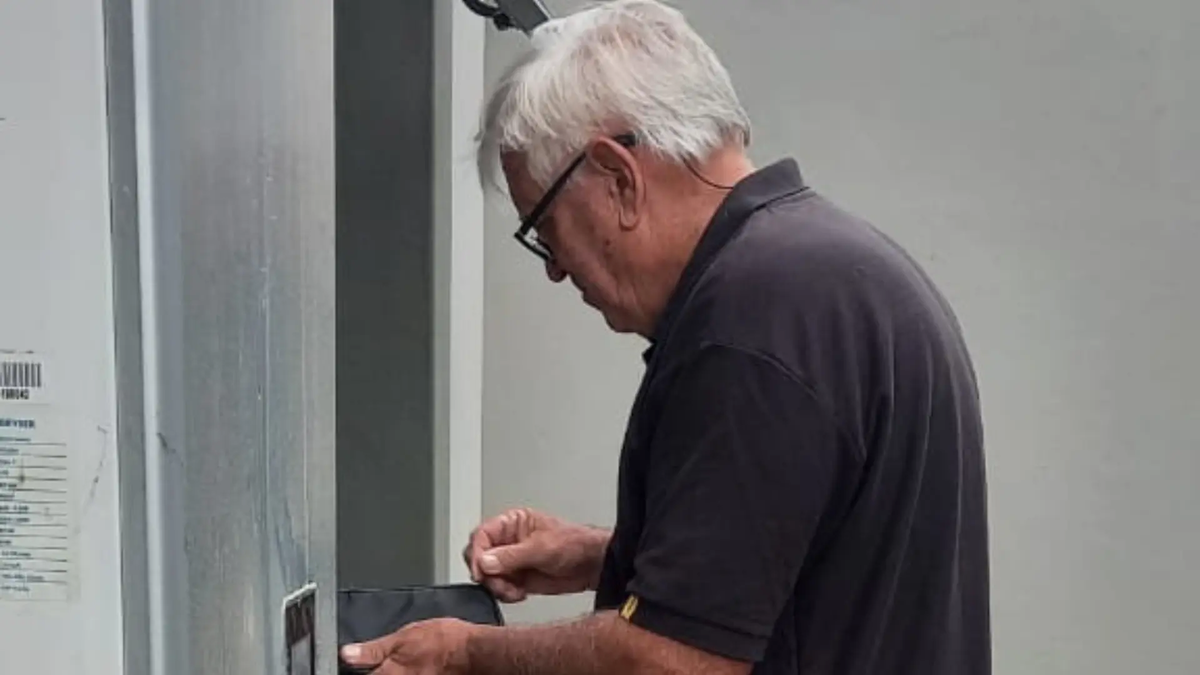
It is a one-day job in most houses. We take the old geyser out, put the gas side in, tie the plumbing together, test everything under real use and certify the installation before we leave.
Isolated, drained, disconnected and carried out — or left in place if you want to keep it for a future solar setup. Your call, made before anything is cut.
The cylinder goes where it can stand safely and legally, and the line is sized for the unit, secured properly and pressure-tested. This is the part that separates a good install from a problem one.
Bracketed to a sound wall, ventilated correctly, and fitted with a weather box where the model needs one. Coastal air in Herolds Bay and Glentana is unforgiving of shortcuts.
Hot and cold tie-ins to the existing house plumbing, isolation valves fitted, and any small reroute needed to get flow right at the taps.
Temperature set for the household, flow checked at every hot tap, and the unit run properly before sign-off — not just switched on and left.
Issued on completion by GasCraft George as registered gas practitioners. You will need it for insurance and again when you sell — see the gas COC page for the detail.
Usually, yes. Most George homes tie straight into the existing hot and cold lines with minor adjustments. we assess the plumbing before recommending a unit, because the pipework tells you which geyser will behave and which one will frustrate you.
The things we look at are pressure at the taps, the age and condition of the pipe runs, how many hot outlets there are and how far they sit from the proposed geyser position, and whether the house is on mixer taps throughout. Low pressure points towards a low-flow-start unit like the Cadac; mixers everywhere point towards Paloma or Rinnai. Occasionally a line needs upsizing or a shower head restrictor needs to come out, and we say so in the quote rather than discovering it on the day.
“Responded on the same day”
“Professional service and good quality hardware”
“From beginning to end superb”
The full installations hub: all five models, what's included in the price, typical timeframes and how the COC works.
See installationsIf your existing gas unit is the problem rather than an electric one, get it diagnosed first. Plenty of geysers we see are repairable.
See repairsSizing, mixer taps, battery versus electric ignition and running costs, written for George homeowners choosing their first gas geyser.
Read the guideFor most George households, yes, because a gas geyser only heats water while a hot tap is open. An electric geyser keeps a full tank hot around the clock whether anyone is home or not, and that standing loss is a real chunk of the monthly bill. Gas costs more upfront and you pay for LPG cylinders, but you stop paying to keep 150 litres warm overnight and you never buy another element or thermostat.
Phone 071 551 2108 or send a WhatsApp with your suburb, how many bathrooms you have and what happened to the old geyser. we come out, looks at the plumbing and quotes the model that suits the house and the budget — not the most expensive one on the shelf.