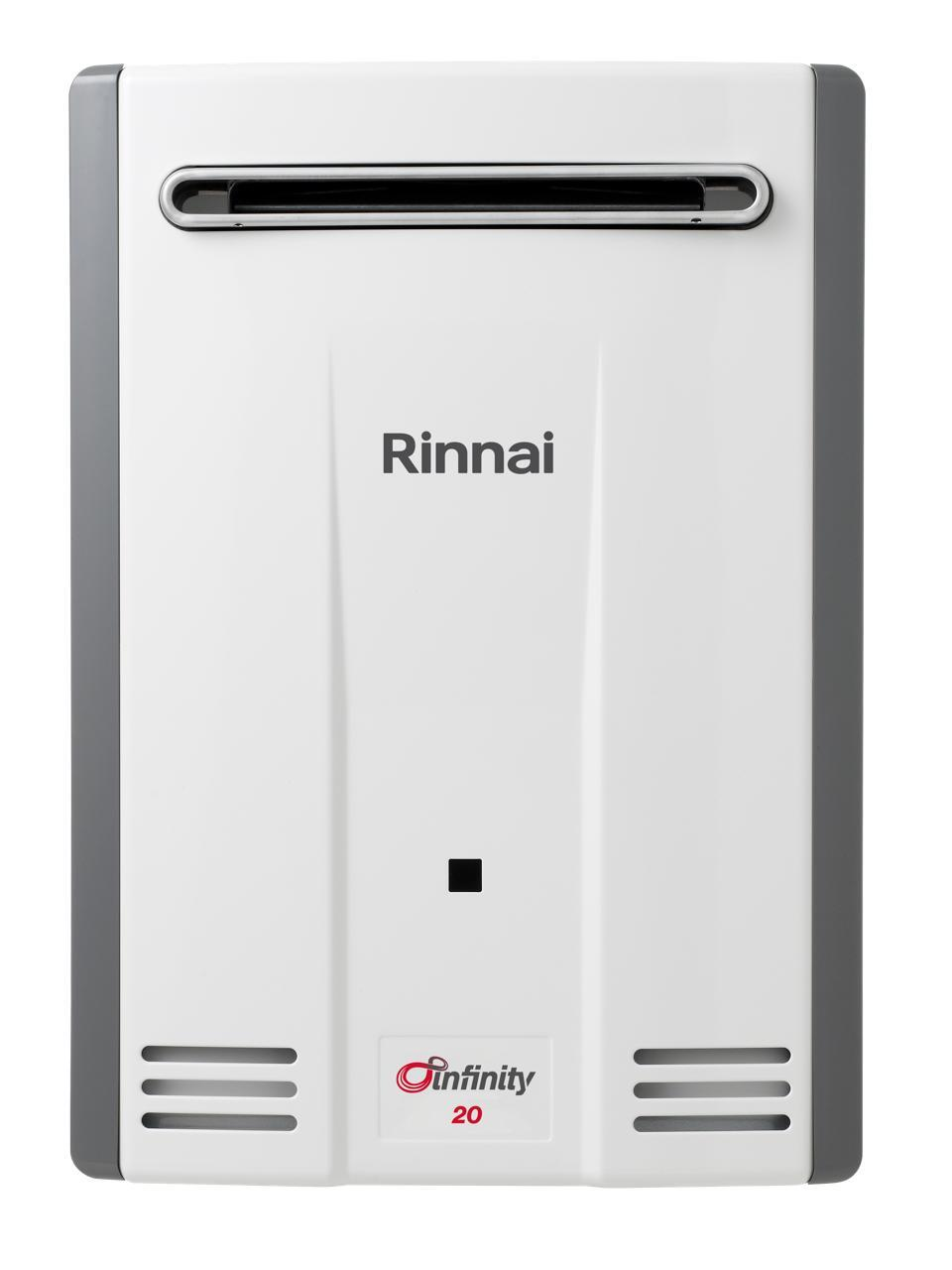
Rinnai 20L Gas Geyser Installation in George — Premium Whole-House Hot Water

From R21,500 supplied, installed and certified by a registered LP gas practitioner. The Rinnai 20L offers the same premium whole-house performance as the Paloma at a slightly lower price. It is an excellent choice for homeowners wanting premium Japanese performance.

Rinnai or Paloma—Two Outstanding Premium Choices

Choosing between the Rinnai 20L and Paloma 20L is extremely difficult. Both are premium, whole-house gas geysers designed to provide reliable, temperature-controlled hot water. Both work well with mixer taps, both require a weatherproof electrical supply, and both deliver the comfort of setting the desired temperature without constantly adjusting the water at the tap.

Both units have proven exceptionally reliable, and we seldom have to return to repair them. We recommend servicing either model every two years. The Paloma is manufactured in the Philippines and the Rinnai in Japan. Their quality, performance and pricing are so similar that there is no clear winner—it can almost come down to the toss of a coin. Neither is a compromise, and GasCraft George is completely comfortable recommending either one. Our final recommendation will be based on the home's plumbing layout, hot-water requirements, availability and the specific installation.

Rinnai 20L

R13,500 unit · from R21,500 installed

  • Whole-house capacity depending on plumbing layout.
  • Mixer-tap friendly and holds a set temperature.
  • Solar-inline capable.
  • Needs electricity — no batteries to replace.
  • Generally no weather cover required.

Paloma 20L

R14,000 unit · from R22,000 installed

  • Premium whole-house hot water for family and estate homes.
  • Solar-inline capable.
  • Holds a set temperature under mixer taps.
  • Also needs electricity and no weather cover.
Compare the Paloma 20L →
Rinnai Infinity 20 gas geyser supplied and installed by GasCraft George in George

Rinnai or Paloma? In truth, it is difficult to choose between them. Both are exceptional premium geysers that provide steady, temperature-controlled hot water without the constant adjusting often associated with more basic geysers. If load shedding is the homeowner's biggest concern and there is no solar PV, inverter or backup electricity, a battery-operated geyser such as a Dewhot or Cadac may be the more practical choice. However, for premium whole-house comfort and effortless hot water, both Rinnai and Paloma are outstanding choices.

Who Is the Rinnai 20L Best For?

The Rinnai 20L is an excellent choice for family homes, estate homes and households wanting dependable, temperature-controlled hot water. It is a genuine premium geyser and can confidently be compared with the best units available.

A strong fit for

  • Freestanding family homes with two bathrooms and normal simultaneous demand.
  • Estate homes where the geyser has to be dependable and quiet about it.
  • Homeowners comparing the best premium units on the market.
  • Replacing an older premium unit, or switching from a burst electric geyser at the premium end.
  • Homes with existing hot water that needs inline support on cold mornings.

Probably not for

  • Budget-focused buyers replacing a geyser unexpectedly — look at the Dewhot 16L.
  • Flats and granny flats, where cylinder space is tight and demand is low — the flats and granny flats page covers that properly.
  • Low-demand applications where a 20L unit would spend its life half asleep.

How Much Does a Rinnai 20L Cost Installed?

The unit is R13,500 and installation is R8,000, so the Rinnai 20L is from R21,500 supplied and installed. That covers the geyser, the gas-line installation and the plumbing connection. Cylinders and a cage are additional.

What's included

  • Supply of the genuine Rinnai 20L unit with warranty.
  • Gas line sized for a 20L burn rate, secured and pressure-tested.
  • Plumbing connection, isolation valves and tie-in to the existing lines.
  • Mounting, commissioning and testing at every hot tap in the house.
  • Gas Certificate of Compliance issued on completion.

What moves the price

Distance from the cylinder position to the geyser wall is the biggest factor, followed by whether a weatherproof electrical point has to be added. A gas cylinder and a lockable cage are extras where you don't already have them, and older plumbing sometimes needs a small reroute to get flow right at the far taps.

All of it is quoted in writing after the assessment. We don't give fixed prices sight unseen, because a Blanco house and a Herolds Bay house are two different jobs.

Does the Rinnai Need Electricity?

Yes — a weatherproof plug point near the geyser, same as the Paloma. The supply runs the electronic ignition and the temperature control that keeps a shower steady when another tap opens. If there is no power at that wall, we arrange the point as part of the installation.

The upside is real: no torch batteries to go flat mid-winter, no corroded battery housing after a damp coastal season, and consistent behaviour year after year. The trade-off is equally real — with the grid down and no inverter, a mains unit stays cold. If load shedding showers matter more to your household than premium performance, we would rather sell you a battery unit and have you happy.

Why Not Just Fit a Cheaper Battery Unit?

Sometimes you should — and we will tell you when. The honest difference is capacity and control: 20L versus 16L, electronic ignition versus batteries, whole-house supply versus one hot tap at a time. Pick the one that matches how your house actually uses hot water.

Capacity

A 20L unit keeps a shower and a kitchen tap comfortable together. A 16L handles one at a time well and starts compromising when two demands overlap on a winter morning.

Ignition and control

Mains electronics hold a preset temperature and never need batteries. Battery units light through load shedding, which is a genuine advantage, but the batteries do need replacing every 12 to 18 months.

When cheaper is right

A one-bathroom house, a flat, a granny flat, a rental, or a household that showers one after the other. In those homes a Dewhot or Cadac is the smart buy, not a compromise.

Quick and neat job
Google review
Professional service and good quality hardware
Google review
Kept me informed on installation date and time
Google review

Dewhot 16L Installation

The mid-market step down: battery-powered, mixer-tap compatible and from around R15,000 installed. The right call for a standard George family home.

See the Dewhot 16L

Inline Gas Geyser for Solar Homes

How a mains gas geyser sits inline after a solar system and fires only when the water reaching it is too cool — the fix for cold morning showers.

See solar inline

Gas Geyser Installations

The parent hub: all five models compared, what every install includes, typical timeframes and how your Certificate of Compliance is issued.

See installations

Gas Geyser Buying Guide

All five models side by side on price, sizing, ignition and running cost, so you can see where this unit sits before you commit to it.

Compare the models

Rinnai 20L FAQs

Yes. Both are premium 20L whole-house units, both run on electricity rather than batteries, both handle mixer taps and both accept preheated water from a solar system. Their quality, performance and pricing are so similar that there is no clear winner between them. Neither is a compromise, and GasCraft George is completely comfortable recommending either one.

Book a free assessment for a Rinnai 20L

Phone 071 551 2108 or send us a WhatsApp with your suburb and how many bathrooms the geyser has to serve. GasCraft George will assess the plumbing, installation position and hot-water requirements, then quote the Rinnai — or tell you honestly if another model suits your house better.

Call 071 551 2108WhatsApp